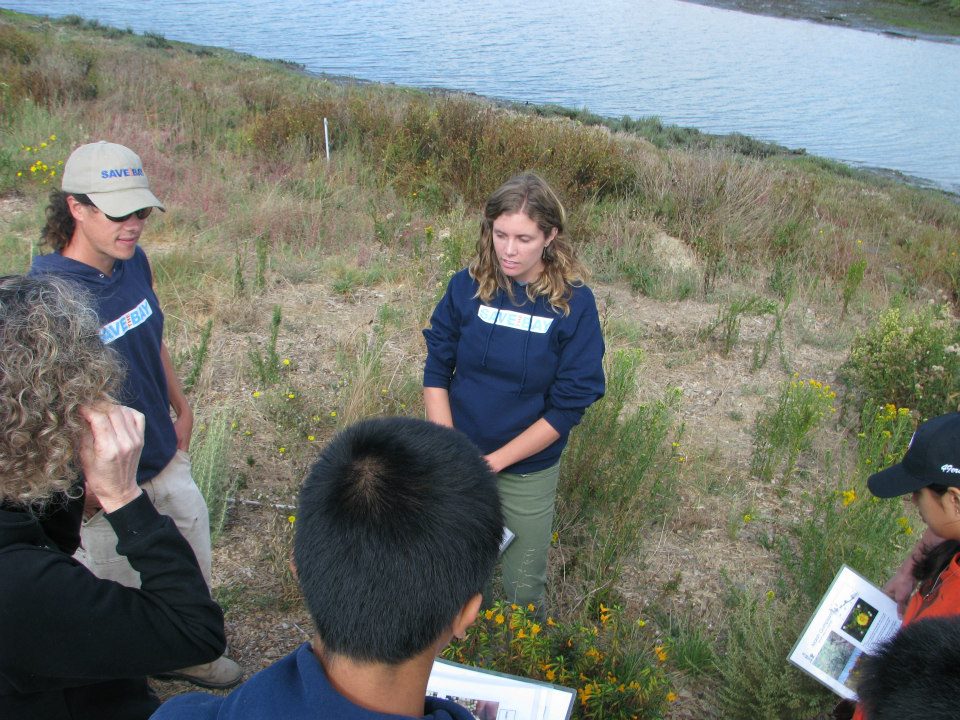

Michelle Krieg, Garden Manager for a social justice and land-based learning centre in Northern California
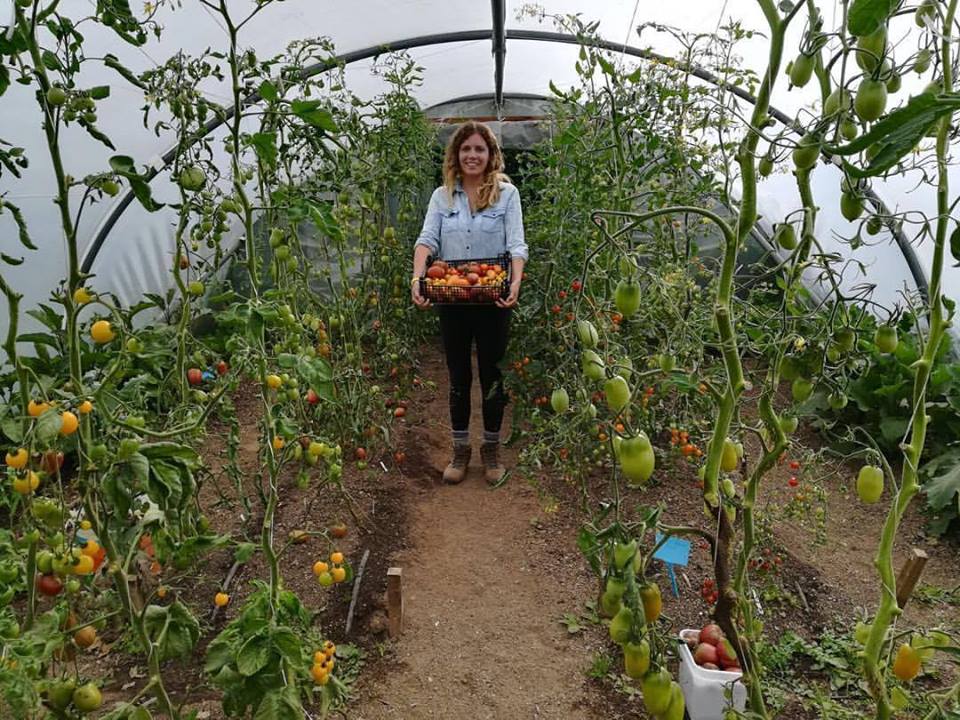
What brought you to UNISG for the Master of Gastronomy: Creativity, Ecology and Education? What was your path before it?
After a decade of working in regenerative land stewardship and education in North and Central America, my perception of the land, and by extension land and ecosystem regeneration, began to change. Rather than continuing to restore ‘wild’ landscapes, I instead wanted to rewild and regenerate the ideology and practices that dominate, define, and drive the majority of our land use. I wanted to blur the lines between ‘wild’ and ‘human’ space, but even more importantly, to question this very ideology of separation in the first place, and the cultural practices through which this way of thinking had – and continues to be – cultivated. Alternatively, I wanted to understand what practices had the potential to inspire and embody a more ecological perception—to expose a more systemic and tangible connection between personal, community, and environmental health.
As it turns out, food, and our ongoing relationship with it, was the answer to all of my questions.
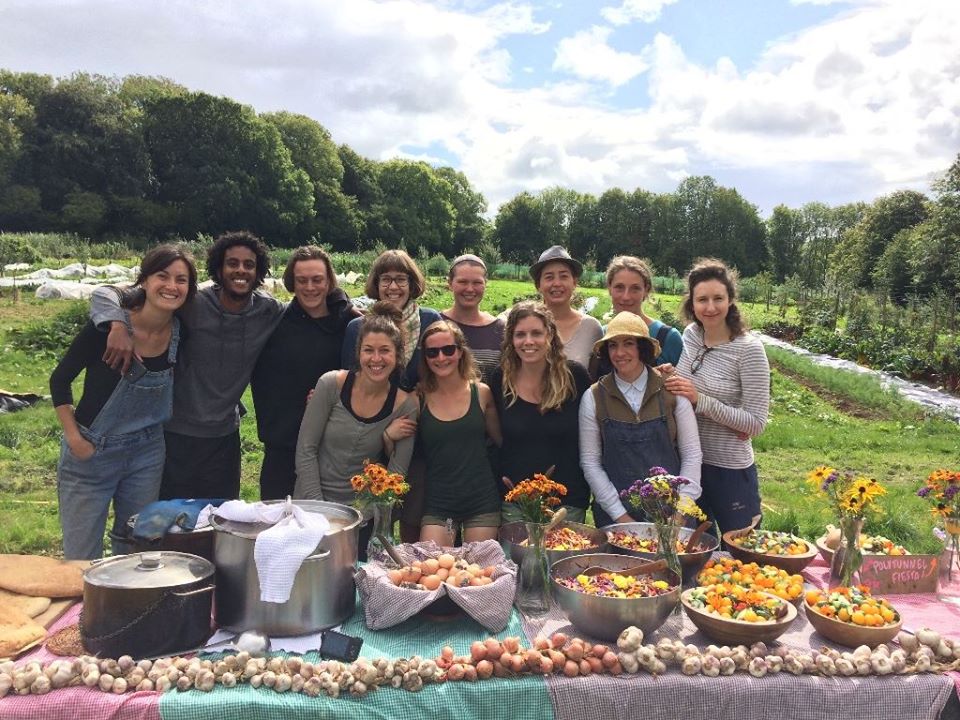
What values and enrichments has the master left you, and how do you apply them in your job today?
My time at Unisg allowed me to understand food not simply as a product, but as a window into the nature of life—a medium through which we sense, make, and give value to our inseparable patterns of relationships. I learned that our engagement with food not only reflects, but also shapes and influences our relationships with each other and our natural environment—being a direct source, and also solution, for repair.
Today, as the Garden Manager for a social justice and land-based learning centre in Northern California, my role is to inspire this creative understanding of food in others. By engaging in the art of gardening, I believe we can not only learn to cultivate relational diversity, but bring dependency back into our understanding of ourselves—replanting the vital root of existence.
What advice would you give to someone seeking a career in gastronomy nowadays?
Gastronomy is a profession of dialogue—the practice of learning the patterns and rhythms of the land and its people, and how to harmoniously engage and respond within these processes. For a Gastronome, the most important thing is to learn how to pay attention—to conceptualise food no longer as a product, but as a reflection of process and perception. It’s learning to understand that food not only represents tradition, but is the agency of our future engagement.