The project aims to provide employment empowerment tools to help refugees and asylum seekers find work in gastronomy-related fields.
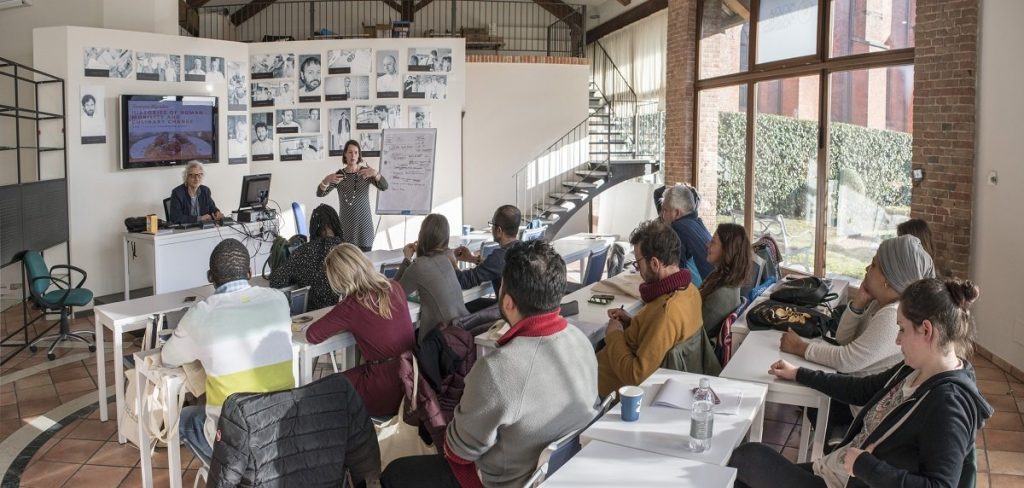
The project “Food for Inclusion” was recently launched at Pollenzo, the result of a partnership between the University of Gastronomic Sciences and the UN Refugee Agency (UNHCR).
Maria Giovanna Onorati, an associate professor in the Sociology of Cultural and Communicative Processes at UNISG, is the scientific coordinator of the project, which will conclude in December 2018 and aims to provide employment empowerment tools to help refugees and asylum seekers find work in gastronomy-related fields.
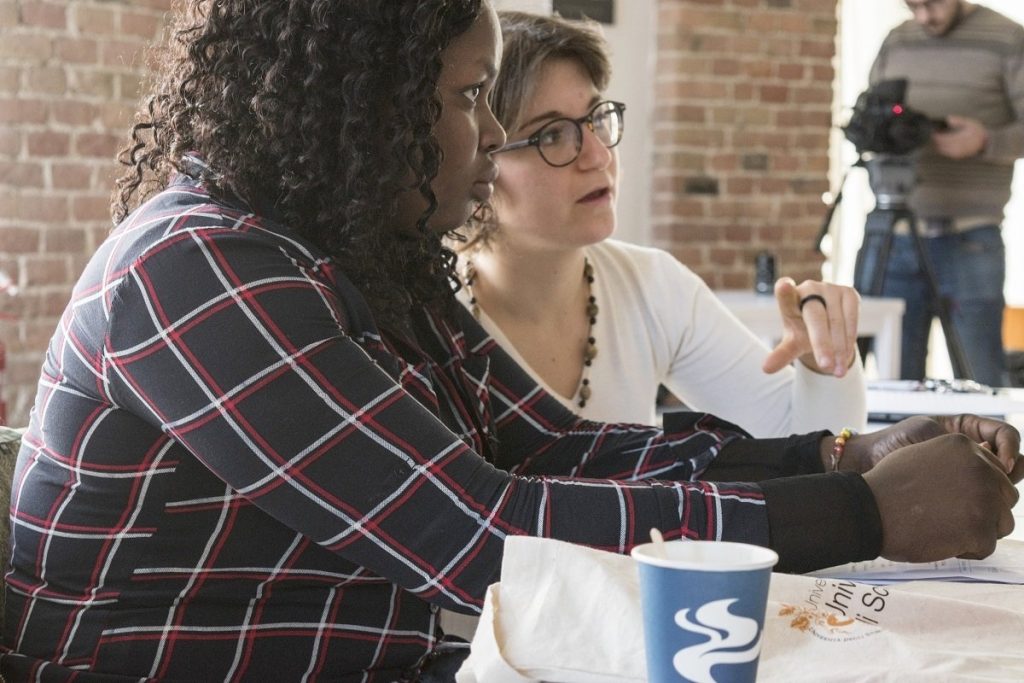
Organized with the support of UNHCR, the project also involves a program of training for trainers, aimed at the creation of a network of associations and organizations that can provide gastronomy-related education for refugees.
The following organizations from across Italy are already involved:
- Aosta Valley: Trait d’Union s.c.s. and La Sorgente Cooperativa Sociale.
- Piedmont: Crescereinsieme (SPRAR Province of Alessandria) and Maramao cooperative of Canelli (AT), Cambalache (SPRAR Municipality of Alessandria), Cooperativa Momo (SPRAR Municipality of Cuneo), Diaconia Valdese (SPRAR Municipality of Torre Pellice), Torre Pellice (TO).
- Lazio: Gustamundo project, Rome.
- Puglia: Associazione Culturale Origens with Ethnic Cook project, Bari.
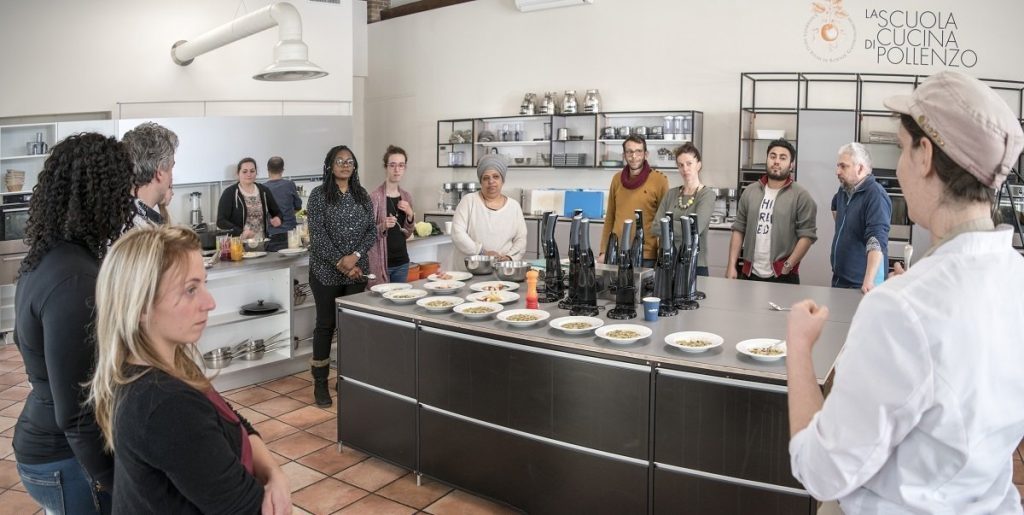
The UNISG campus will be the venue for courses that will be held in the university’s professional outfitted kitchen and a co-working space.
A number of other important partners will also be participating in the project, including Eataly, Slow Food, the Bottega Local, the Migranti Film Festival, Ascom in Bra and Kairos Solutions.
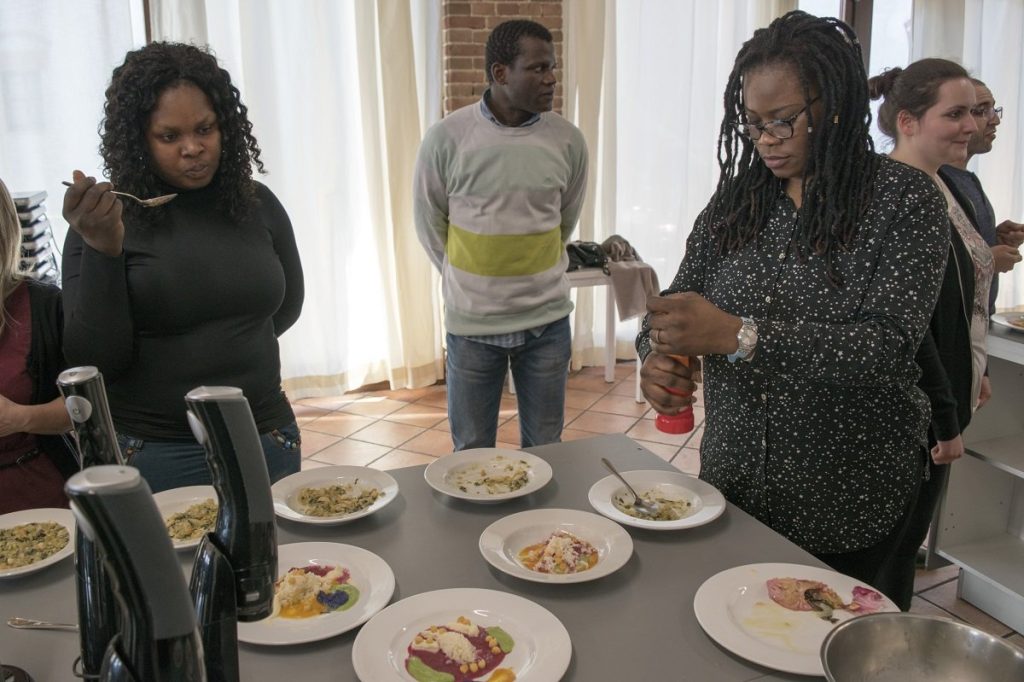
The first part of the course, held between March 12 and 15, was aimed at operators and educators who work permanently with refugees and with the SPRAR, the Italian protection system for asylum seekers and refugees, whose educational program includes the use of gastronomy to help refugees develop skills and to nurture their talents.
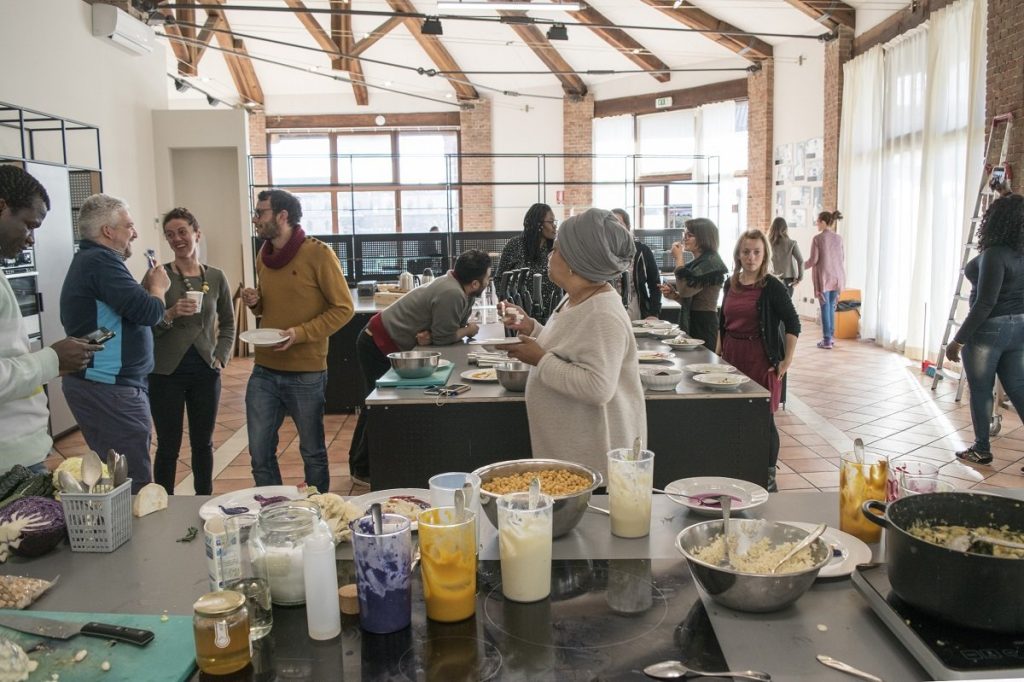
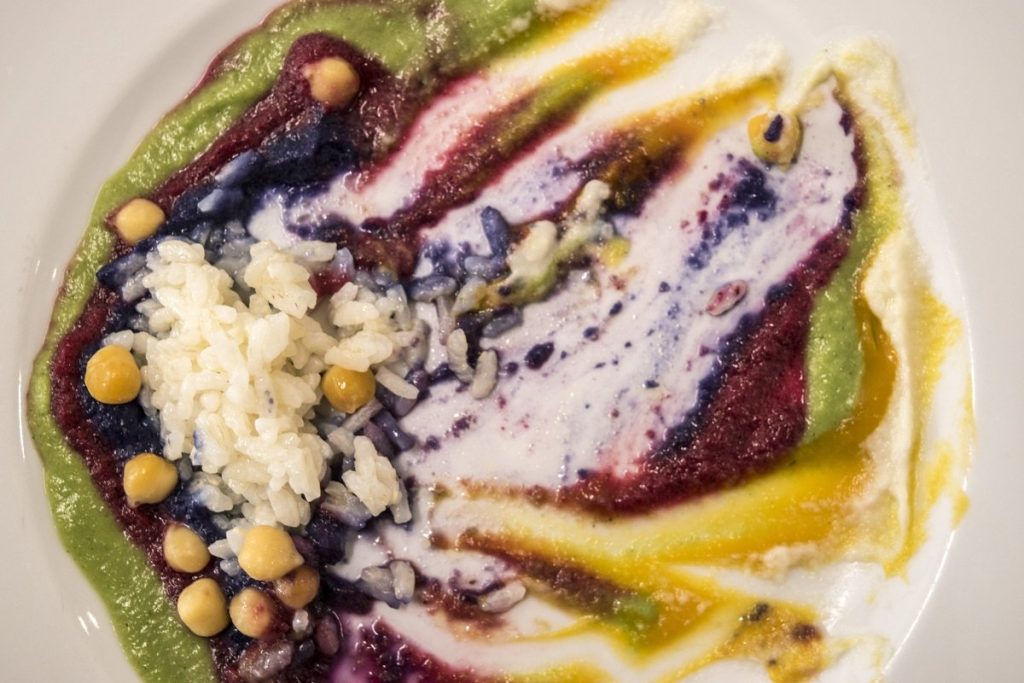
The course involved the development of relational skills and group work and targeted work on topics such as hygiene, workplace safety and good food-handling practices, as well as seminars on the history of food and migrations and on nutrition and dietetics and workshops on menus, recipes, hybrid cuisines and sustainability in the kitchen, as well as a focus on career support and internships in the sector.
In April and May courses will be held specifically for refugees and asylum seekers on cooking techniques, hybrid cuisines and world gastronomic traditions.
Learn about our programmes…