
The study trips starting on Saturday March 18 all have as their destinations locations around the Mediterranean, bringing UNISG students on a journey of discovery through the gastronomic heritage and culture of six countries bordering what the Romans called Mare Nostrum, “our sea.”
One group of students will be heading to Croatia where they will explore its jagged coastline, experiencing the flavors and fragrances of extra-virgin olive oil and freshly caught fish, as well as other typical produce like cheeses and wines.
In Slovenia, the UNISG students will meet chefs, artisans and food producers, with a focus on the country’s wines, pumpkinseed oil, fish, honey, wild herbs and truffles.
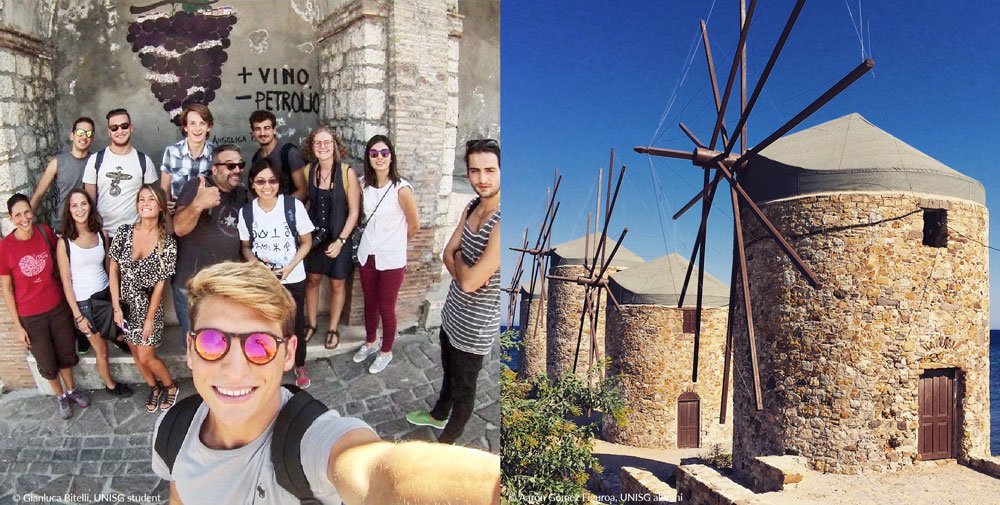
The trip to Greece will be centered around the region of Thessaloniki, where the students will meet sheep and goat farmers as well as learning about wild boar and other game meats. They will have a chance to visit a large number of agricultural and livestock cooperatives, and will also be studying edible wild plants, cheeses, olive oil and fish.
The tiny archipelago of Malta, in the heart of the Mediterranean, is the fourth destination for this set of European trips. Here the students will explore the fish market, learn about sustainable tourism and visit producers of wine, honey and craft beer and many local restaurants.
The fifth trip will take another group to the south of France, specifically Provence: Marseilles, the Luberon, the areas around Manosque and Forcalquier. In this beautiful land, steeped in history, the students will learn about the tradition of Camargue bulls and their meat, ancient grains and their uses, goat and sheep farming, cheese production and also the liqueurs made using the region’s medicinal herbs.
The last group will be visiting the Spanish region of Extremadura. Bordering Portugal, this part of the Iberian peninsula is home to unique ecosystems. The UNISG delegation will learn about the dehesa, an ecosystem of holm and cork oak forests, essential for rearing Iberian pigs, as well as the region’s production of olive oil, sheep, cheese and wines. They will meet with chefs, experts and university lecturers who will tell them about the distinctive nature of this fascinating corner of Spain.
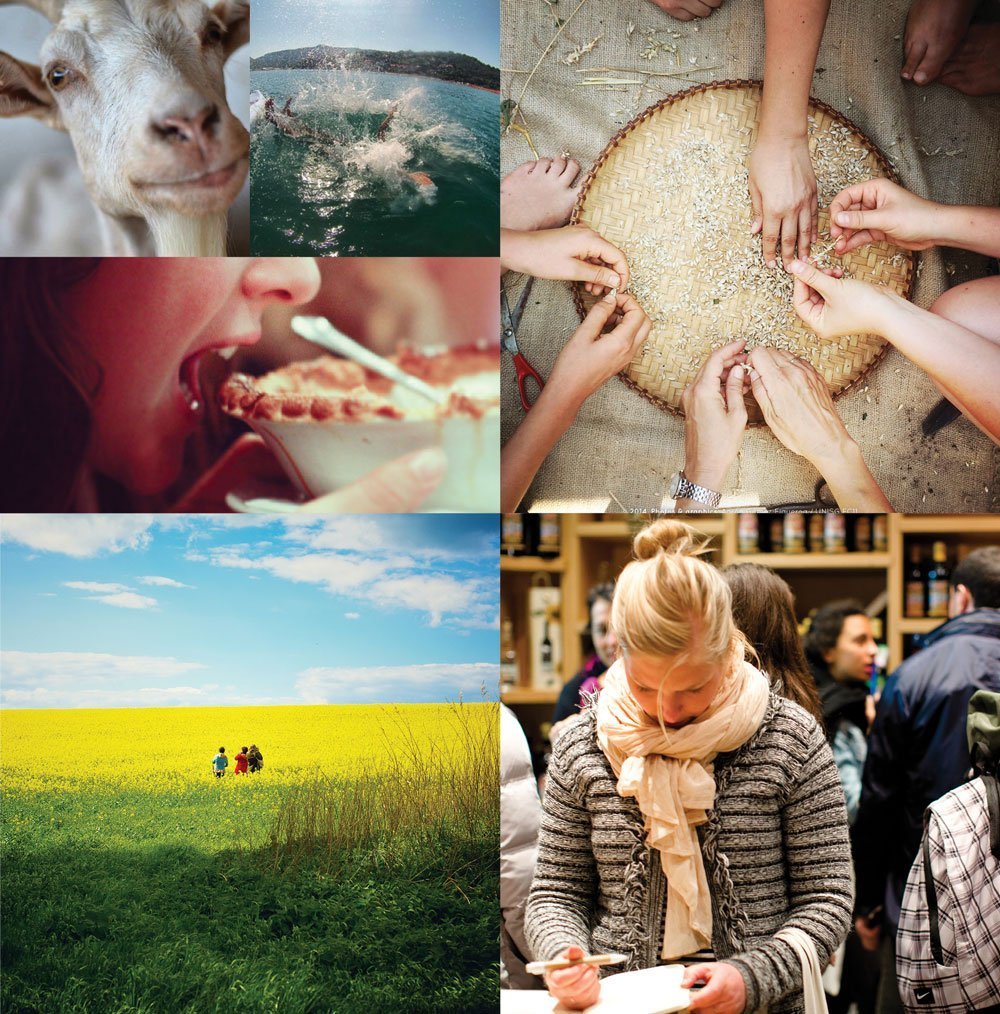
© UNISG Instagrammers’ photo credits: @chandrakunal @